
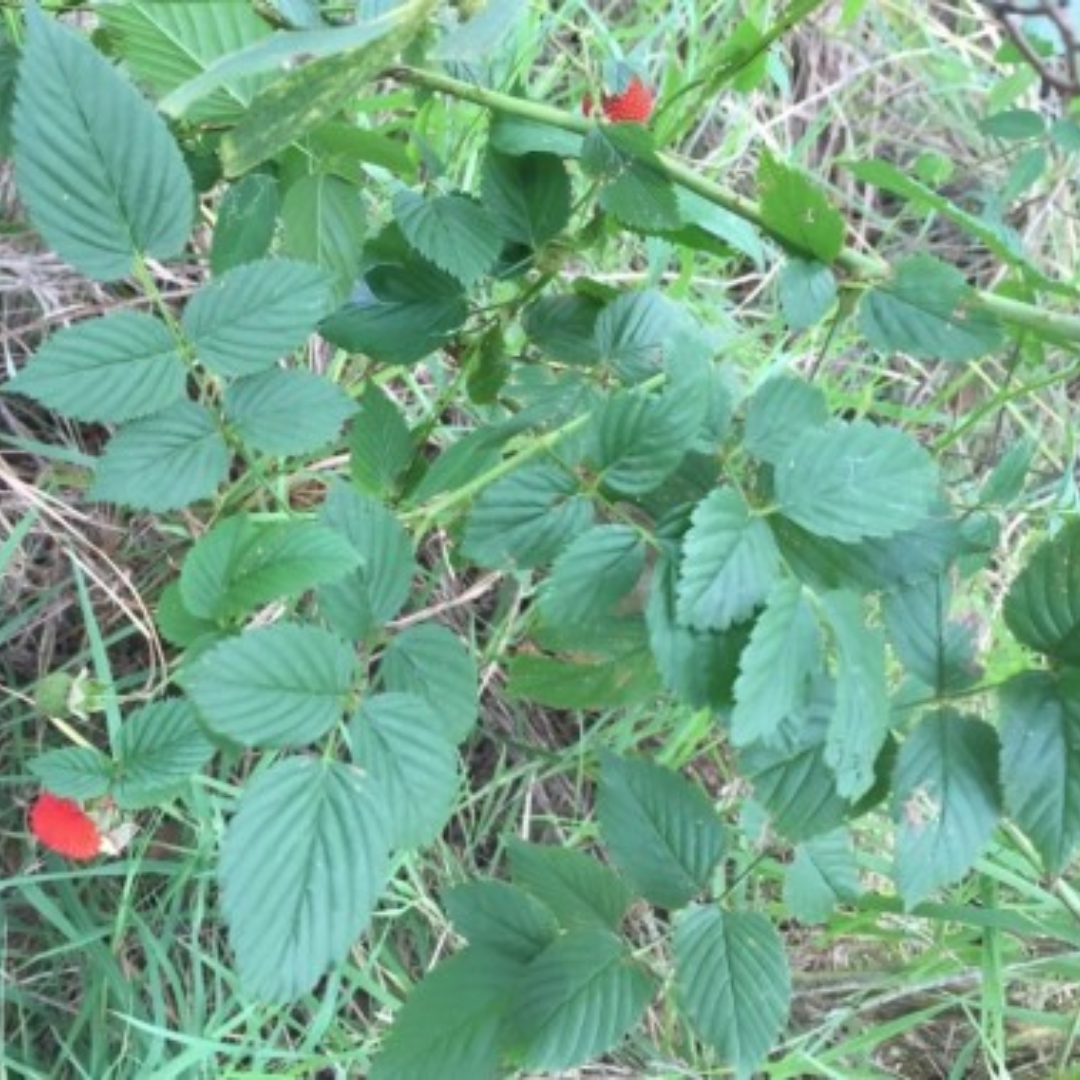
Is there anything better than foraging your own medicine!? The sun on your face, perhaps a gentle breeze tickling your cheeks, and in the case of wild raspberry, perhaps a few scratches as you go!
Raspberry is a nutritive herb and gentle tonic astringent with an affinity for the pelvic region and mucous membranes. This tonic astringent action is raspberry’s ‘headline act’ so to speak and this action is responsible for a lot of raspberry’s medicinal uses.
Rubus Idaeus is the most common medicinal variety in Western Herbalism, and in Australia, there are many native species we can use, such as: Rubus rosifolius, Rubus moluccanus, Rubus probus.
We mostly use the raspberry leaf in herbal medicine, but you can use the root as well, and of course the fruit are a delicious, highly nutritious food that is a great source of the prized anthocyanins antioxidants and a rich source of fibre at 7 or 8g/100g.
Raspberry leaf for birth and post-partum
Wild Raspberry is already well-known as a herb to support a healthy birth. Many women drink raspberry leaf tea in the last month of pregnancy to prepare the uterus for birth. But you don’t have to stop there.
Drinking it post-birth also helps the uterus return to its original size.
As a nutritive herb, wild raspberry is also a bioavailable source of nutrients for the new mama, or anyone else. Best prepared as a nourishing infusion or infused vinegar for its nutritive qualities.
Raspberry leaf for diarrhea and digestive system
Many people don’t realise raspberry leaf or root can also stop diarrhea.
Now, the regular caution here is that diarrhea is actually an intelligent response of the body helping you get rid of pathogens! Even if it feels awful, that sounds pretty smart huh!?
So we don’t necessarily want to stop infectious diarrhea at the first blast. If diarrhea goes on for more than 48-72 hours, or you’ve got chronic loose stools, raspberry leaf or root’s astringent action helps to tighten and tone the digestive mucosa and its anti-inflammatory properties help calm irritation.
Like a true goldilocks situation, you want to use just enough, not drying out the bowels so much the diarrhea turns to constipation (and remember, if chronic loose stools is a thing for you, don’t just use raspberry leaf, ask why, and address root cause).
Raspberry leaf could also be helpful in digestive formulas for leaky gut, gastroenteritis, irritable bowel (with damp relaxation pattern) and hemorrhoids.
Other uses for Raspberry Leaf
Raspberry’s leaf’s goodness doesn’t stop there. You could work with raspberry leaf in the urinary system, as a mouthwash for bleeding gums or mouth ulcers, as a toning face wash for acne and oily skin, hemorrhoids, and sore throats from post-nasal drip.
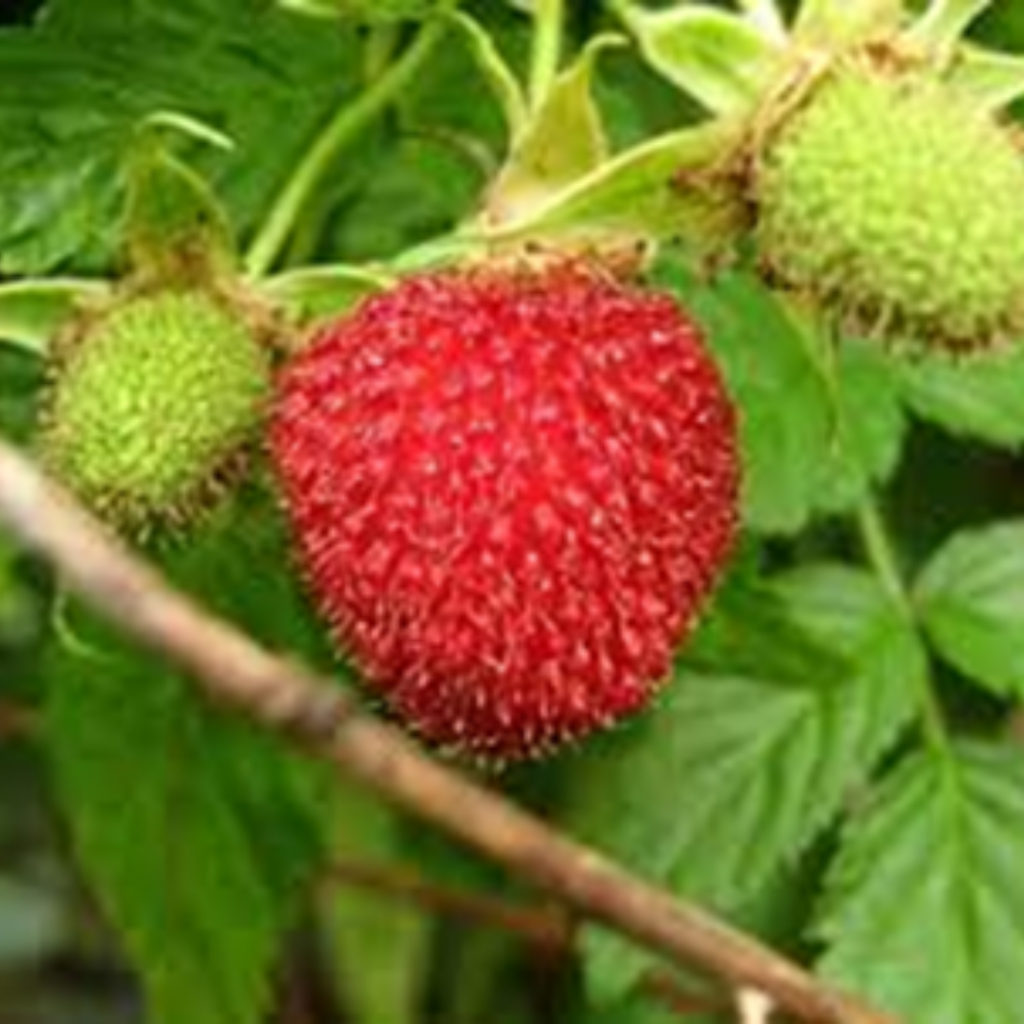
How to identify raspberry leaf?
There are quite a few varieties of raspberry leaf you can work with medicinally in Australia, mentioned above. Whilst all will be somewhat interchangeable, you might find some varieties are more astringent, so always taste and experiment with the variety you’ve got.
For full ID points and information, join the Home Herbalist Club.
How to harvest raspberry leaf?
Raspberries are covered in little thorns, so make sure to wear gloves and protected clothes, especially if harvested from a patch of raspberries.
ALWAYS remember to harvest ethically and sustainably, which includes: not taking more than you need, not harvesting at all if there’s only a few plants — remember, the plants aren’t just free medicine or here for us, raspberries provide food and habitat for other creatures and are of benefit to their ecosystem as well.
Having said that, sometimes raspberries get very weedy and it’s helpful to harvest them so they don’t dominate an area.
Typically the leaves are harvested before the plant flowers.
If using, you can harvest the root in the autumn, when it goes dormant (depending on species and location). Remove sections of lateral root (not the entire taproot), take no more than 20, 30% from any plant. And remember the root is more astringent than the leaf, so will have a stronger effect on the body. This can lead to too much tone or dryness in the body, so take care to not consume more than you need. The leaf is a gentler remedy and is more commonly worked with.
Raspberry Leaf Safety
R. Idaeus and native Australian Rubus species are all regarded as low-risk herbs with no significant toxicity at normal therapeutic doses.
Contraindications
- Constipation or dry/deficient bowel conditions, astringent herbs will aggravate dryness
- Iron-deficiency anaemia, tannins can chelate iron and inhibit absorption; avoid taking with iron-rich meals or supplements
- Medications where tannin binding may reduce absorption, general precaution; space doses apart
- Known allergy to Rosaceae family plants (rose, strawberry, raspberry, apple)
Pregnancy
- Fruit: Considered safe as food throughout pregnancy
- Leaf tea: Traditionally used to prepare the uterus in late pregnancy (after 36 weeks); this use is widely followed but is based on traditional evidence primarily from Rubus idaeus, use with the guidance of a qualified midwife or herbalist
- Root bark: Best avoided in pregnancy due to stronger astringent and potentially uterine-stimulating action in large doses
- First trimester: Exercise caution with leaf tea in therapeutic doses; small culinary amounts likely fine
For detailed info on Wild Raspberry leaf medicinal benefits and uses, including lots of images and how to ID and harvest it yourself, join the Home Herbalist Club. The Home Herbalist Club is your all-in-one, heart-led home for learning herbal medicine. A place to grow your skills, confidence, and connection to nature while caring for yourself and your family naturally.