
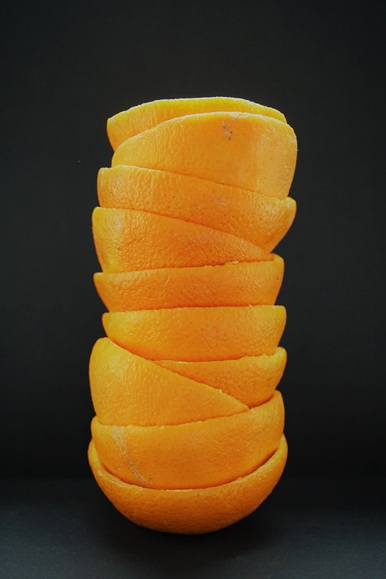
It’s citrus season round here and the trees and farm stalls are laden with this juicy seasonal treat. Most of us eat the orange, squeeze the lemon and toss the peel without thinking twice. But that’s a shame, because there are so many uses for citrus peel in the home medicine chest and natural cleaning cupboard!
Citrus peels, like lemon, orange, mandarin, grapefruit, are packed with volatile oils, antioxidants, and natural compounds that have been used for centuries in both folk medicine and everyday home care. They each offer slightly different constituents and flavours but you can use them somewhat interchangeably in the recipes below.
Knowing the uses of citrus peels is the kind of thing that used to be common knowledge in most kitchens, but somewhere along the way we outsourced this knowledge. So here’s what you can actually do with them, for tea, natural cleaning products and more.
Citrus-infused vinegar for cleaning
This is one of the most useful things you can make, and it costs almost nothing.
Loosely pack your fresh citrus peels into a clean jar and cover them with white vinegar. Seal it and leave it somewhere out of direct sunlight for two to four weeks. When you come back, strain out the peels and you have a pleasantly scented, genuinely effective all-purpose cleaner.
Dilute it roughly 1:1 with water in a spray bottle and use it on benchtops, sinks, and glass.
A note: always patch test first, and vinegar isn’t recommended on natural stone benchtops as it can dull the surface over time.
Citrus sugar or salt
Zest a lemon or orange directly into a jar of sugar or salt and give it a stir. Leave it for a few days and the oils will infuse through. If using fresh zest, leave sugar/ salt mix to dry before storing.
Use citrus sugar in baking or on porridge; citrus salt is beautiful on fish, roasted vegetables, or the rim of a good drink.
Citrus-infused honey
Tuck some fresh peel into a jar of raw honey and leave it for a week or two. The result is a gentle, warming honey that works beautifully stirred into tea, especially useful through winter when you want something soothing for a sore throat or a scratchy chest.
Citrus peel tea
Dried citrus peel makes a mild, pleasant tea that supports digestion and can uplevel the flavour of your herbal blends. Add a small handful of dried peel to a cup, pour over boiling water, cover and steep for five to ten minutes. A slice of fresh ginger and a spoonful of honey make it even better. You can also dry whole orange or lemon slices for tea, or use them fresh.
This is lovely to sip after a heavy meal, or as a warming drink on a cool afternoon.
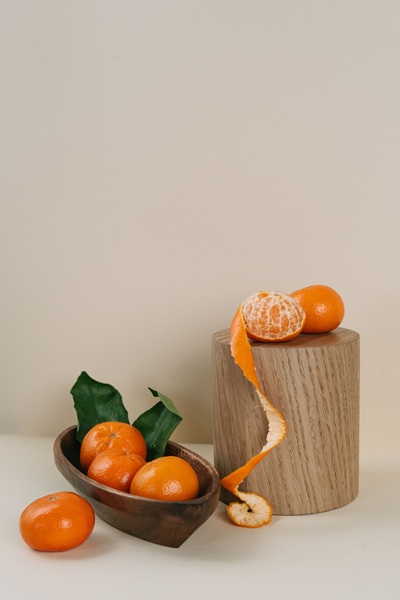
Citrus fire cider
If you already make fire cider, the classic folk remedy of apple cider vinegar infused with horseradish, garlic, ginger, and chilli, citrus peel is a natural addition. I tend to just cut whole slices of lemon, flesh and rind and pop the whole thing into my fire cider brews.
A simple citrus room freshener
Simmer citrus peels on the stove or fire with a cinnamon stick, a few cloves, and some water. Within minutes your home will smell like you’ve been baking all day. Top up the water as needed and let it go for an hour or two. Simple, non-toxic, and a hundred times better than a plug-in air freshener.
Fire Starter
If you dry citrus peels, they make great fire starters.
There’s heaps of other home cleaning uses for citrus and their peel, but this is a great list to get you started!
A few things worth knowing
Citrus is generally very well tolerated in small amounts, but a couple of things to keep in mind:
- Citrus peel, especially in larger amounts, can interact with some medications, most notably certain statins and blood pressure medications. If you’re on regular medication, have a chat with your GP before adding citrus preparations regularly.
- Some people find citrus aggravates reflux. If that’s you, the teas may not be your thing, but the cleaning products and home fresheners still absolutely are.
The peels you’ve been throwing away for years are more useful than you think. That’s one of the things I love about folk medicine, so much of it starts in the kitchen, with what you’ve already got.
Want to learn more about turning everyday kitchen ingredients and garden plants into remedies your whole family can use? That’s exactly what we do inside the Home Herbalist Club – come and have a look.